

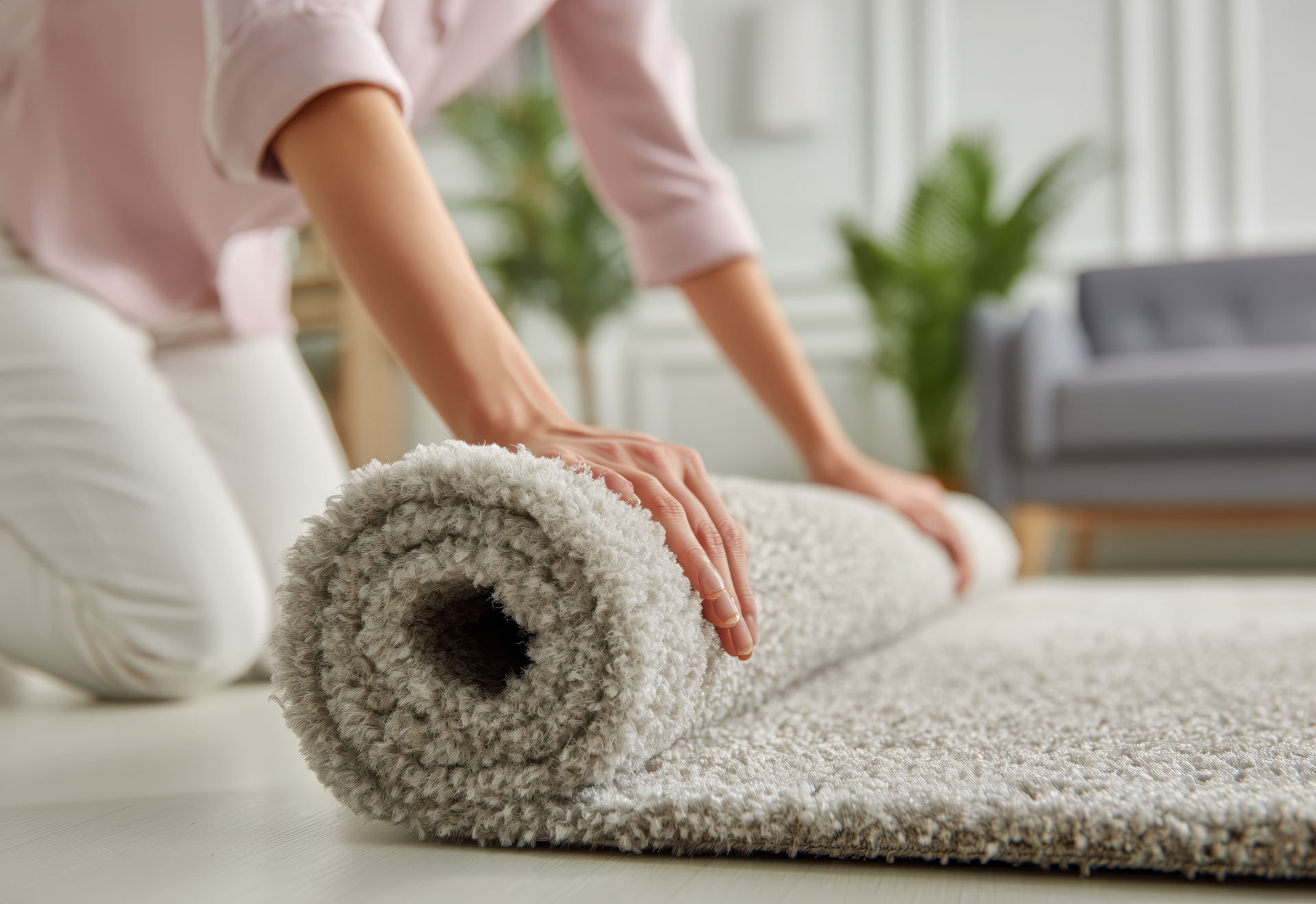
Walk into any well-loved home in Sandy Springs or Buckhead and you'll find an area rug anchoring the space. Maybe it's a classic wool piece in the living room, a casual synthetic runner in the hallway, or a natural fiber weave under the dining table. They all look great on day one. But after a year of foot traffic, spilled coffee, pets, and Georgia humidity, not all rugs age the same way.
If you're serious about choosing a rug that actually lasts, the material is the decision that matters most. Here's a straight-talking guide to the most common rug materials and how each one performs in the real world.
Wool: the original long-haul performer
Wool has been the gold standard in rugs for thousands of years, and there's a very good reason it has stuck around. It is naturally resilient. The fibers have a built-in "crimp" that lets them spring back after being compressed, which means a wool rug in a busy Sandy Springs living room will bounce back from furniture legs and foot traffic far better than most alternatives.
Wool also resists soil naturally. The outer layer of each fiber repels liquid and dirt before it has a chance to settle deep into the pile, giving you more time to blot up a spill before it becomes a stain.
The honest downside? Wool comes at a higher price point, and it does require more thoughtful care. It is not a "set it and forget it" material. In humid climates, it can absorb moisture if ventilation is poor, and harsh cleaning chemicals will damage it quickly. Stick to gentle, wool-safe products and rotate the rug periodically, and a quality wool piece will genuinely outlast everything else in this guide.
Best for: Living rooms, dining rooms, and spaces where longevity and appearance retention are the priority.
Synthetics: the everyday workhorse
Nylon, polyester, and polypropylene (olefin) make up the bulk of the synthetic rug market, and they each have their strengths.
Nylon is the toughest of the three. It handles high-traffic areas exceptionally well, resists abrasion, and holds dye well so colors stay vibrant over time. If you have young kids or dogs tearing through the hallway, nylon is worth serious consideration.
Polyester offers a softer feel and strong stain resistance, but the fibers tend to flatten under heavy use faster than nylon. It is a solid choice for lower-traffic bedrooms or sitting areas.
Polypropylene (olefin) is popular for its moisture and mildew resistance, which makes it well-suited for screened porches or sunrooms in the Atlanta area. The trade-off is that it can mat down faster than nylon in very busy spaces.
The overall advantage of synthetics is that they are durable, easy to clean, and hold up well in pet-friendly or high-traffic homes. They won't last quite as long as a premium wool rug, but they will take far more punishment without showing it.
Best for: Hallways, family rooms, kids' rooms, and pet-friendly spaces.
Natural fibers: beautiful, but know what you're signing up for
Jute, sisal, seagrass, and cotton bring a warm, organic texture to a room that is hard to replicate with synthetics. They are popular in Buckhead and Dunwoody homes for that breezy, layered aesthetic.
Sisal and seagrass are the most durable of the natural fiber group. Their tightly woven construction resists wear reasonably well in moderate-traffic areas. However, they are sensitive to moisture. A spilled glass of water left to sit will damage the fibers and potentially cause mildew in humid Georgia summers.
Jute is softer underfoot but more delicate than sisal. It breaks down more quickly under heavy use and is best suited for low-traffic areas like a reading nook or bedroom.
Cotton is the most washable of the natural options, making it practical for kitchens or casual spaces, but it flattens and wears out faster than any other material on this list.
The honest truth about natural fiber rugs: they look stunning, but they demand more protection. Pair them with rug pads, keep them away from moisture-prone areas, and use them in spaces where foot traffic is lighter.
Best for: Bedrooms, home offices, and decorative layering over hardwood floors.
Layering rugs over hardwood: a quick note
If you are placing an area rug over hardwood flooring, always use a quality rug pad underneath. Beyond preventing slipping, a good pad creates a buffer that protects the wood finish from abrasion over time. It also extends the life of the rug itself by reducing the friction between the rug backing and the floor.
So, which material actually lasts the longest?
In pure durability terms: wool wins, followed closely by nylon, then sisal/seagrass, then polyester, then jute and cotton.
But durability is only part of the equation. The right material also depends on where the rug is going, who is using the space, and how much maintenance you are realistically willing to do. A stunning wool rug in a low-traffic study will outlive a nylon rug in a chaotic mudroom, even though nylon is technically tougher.
If you want our practical advice for most Atlanta-area homes: go wool where the budget allows and the traffic is moderate to high, choose nylon for the heavy-use zones, and save natural fibers for spaces where they can shine without taking a beating.
And if you want expert guidance matched to your specific rooms, that is exactly what our area rugs selection and in-store team are here for.
Come see the difference in person at Great American Floors
At Great American Floors, we have been helping Sandy Springs, Buckhead, Dunwoody, East Cobb, Roswell, and Alpharetta homeowners find the right flooring since 1992. Whether you know exactly what you want or need a flooring expert to walk you through the options, we make the process easy. Stop by our showroom or schedule a free in-home estimate through our flooring services page, and we will bring the samples to you.


