

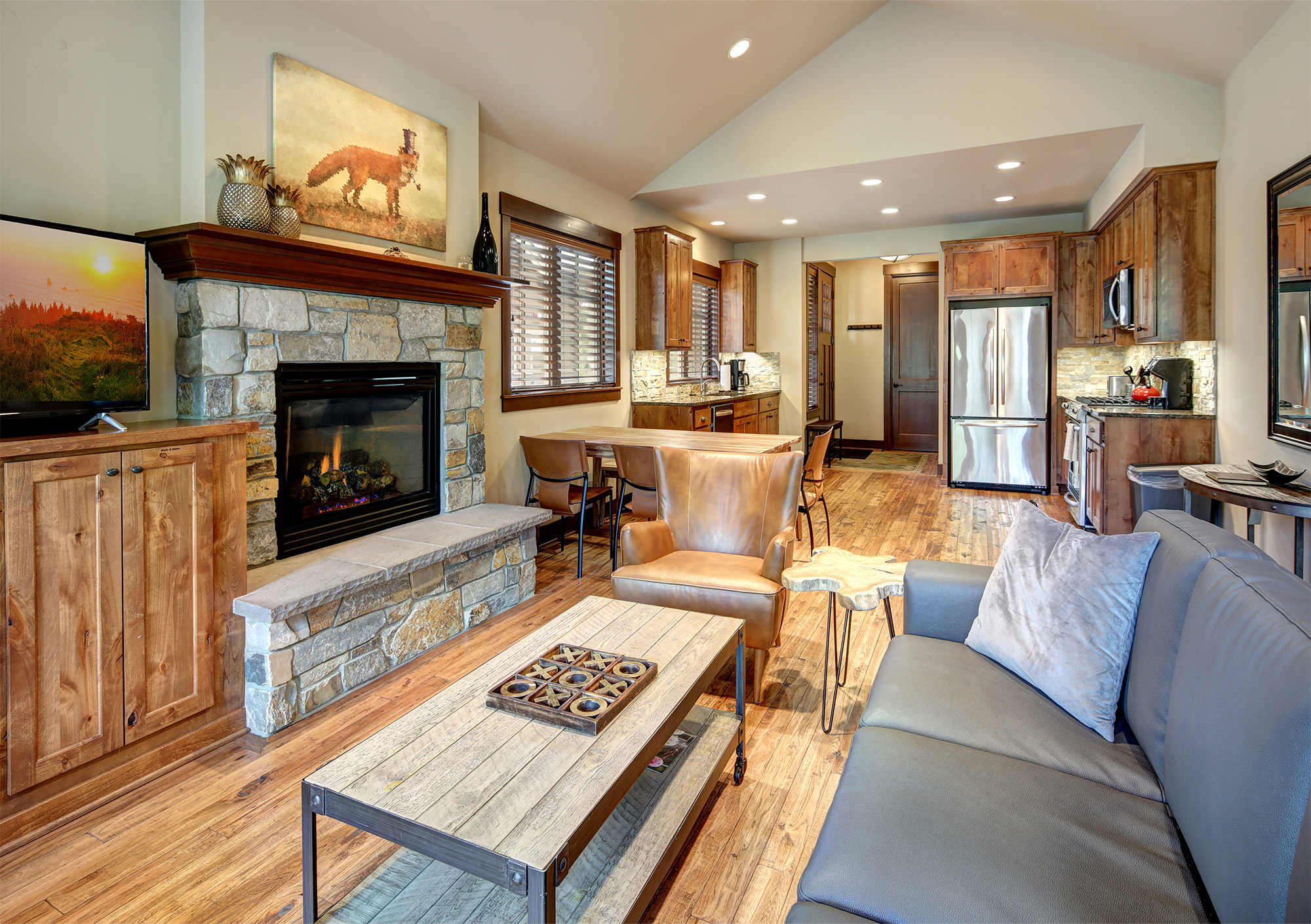
When shopping for natural hardwood flooring, most homeowners spend hours debating species, board widths, and stain colors. Should you choose classic White Oak or rich Black Walnut? Wide plank or traditional narrow strip? Dark espresso or light natural finish?
While these decisions are crucial, there is another key factor that shapes the final appearance, cost, and overall vibe of your floors: hardwood grading.
Understanding hardwood grades helps you avoid unexpected surprises on installation day and ensures the finished floor matches your design vision. Here is a breakdown of hardwood floor grades and how to choose the best option for your home in Metro Atlanta.
What Does "Hardwood Grade" Actually Mean?
A common misconception is that a lower hardwood grade means lower quality or structural inferiority. In hardwood flooring, grade refers strictly to visual characteristics, not durability or craftsmanship.
The National Oak Flooring Manufacturers Association (NOFMA) and the National Wood Flooring
Association (NWFA) establish industry grading standards based on natural visual characteristics present in the wood:
Color uniformity across boards
Frequency and size of knots (tight knots vs. open pinholes)
Mineral streaks and natural sapwood content
Grain consistency and plank length averages
Every grade delivers the same structural strength and longevity. The difference lies entirely in how uniform or rustic the surface appears once laid across your living room or kitchen.
The Core Hardwood Grades Explained
Hardwood grades are grouped into distinct categories, ranging from immaculate and modern to rustic and earth-inspired.
1. Clear Grade
The Look: Pristine, sleek, and highly uniform.
Characteristics: Clear grade hardwood is harvested from the center heartwood of the tree. It features virtually no knots, mineral streaks, or color variations. Board lengths are long and consistent.
Best For: Modern minimal, ultra-contemporary, or formal traditional interiors where a clean, seamless look is desired.
2. Select & Better Grade
The Look: Crisp and tailored, with subtle, natural warmth.
Characteristics: Select & Better allows for minor natural variations in grain tone and tiny, pinhead-sized character marks. It delivers a polished look without feeling overly sterile.
Best For: Classic North Atlanta homes, transitional decor, and homeowners who want a clean aesthetic with a touch of authentic wood texture.
3. #1 Common (Character Grade)
The Look: Warm, casual, and distinctive.
Characteristics: #1 Common introduces noticeable color contrasts between heartwood and sapwood, small tight knots, light mineral streaks, and varied grain patterns. Board lengths vary more than in higher grades.
Best For: Farmhouse, Craftsman, coastal, and transitional homes in areas like Dunwoody and Roswell where warmth and natural character elevate the space.
4. #2 Common (Rustic Grade)
The Look: Bold, expressive, and full of personality.
Characteristics: #2 Common features prominent knot holes, wide color contrast, visible wormholes, and pronounced mineral striping. It creates a striking, country-inspired floor full of history and natural texture.
Best For: Rustic estates, cabin-style retreats, playrooms, and high-traffic family spaces where everyday wear blends right into the floor’s character.
How Hardwood Grade Influences Your Interior Design
Hardwood Grade | Visual Style | Color Uniformity | Knot & Grain Marks | Ideal Interior Design |
Clear | Ultra-sleek & formal | High uniformity | Minimal to none | Modern, Minimalist, Luxury Contemporary |
Select & Better | Polished & tailored | Subtle natural shifts | Occasional pin knots | Transitional, Traditional, Colonial |
#1 Common | Warm & inviting | Moderate contrast | Visible knots & streaks | Modern Farmhouse, Craftsman, Mid-Century |
#2 Common | Rustic & earthy | High color variation | Large knots & heavy character | Rustic, Industrial, Mountain/Cabin |
Key Factors to Consider Before Selecting a Grade
Room Size and Natural Light
Higher character grades (#1 and #2 Common) bring heavy visual texture. In small rooms or spaces with limited light, high contrast between boards can feel busy. Smooth, uniform grades (Select & Better) create long, unbroken sightlines that help open up smaller spaces.
Daily Wear, Pets, and Foot Traffic
If you have kids, pets, or frequent guests, ultra-uniform floors (Clear or Select) tend to show small scratches, dust, and dents more quickly. Character and Rustic grades hide everyday wear and tear naturally within the wood’s organic knots and grain patterns.
Budget & Value
Higher-grade lumber requires selecting tighter portions of the log, making Clear and Select grades more costly per square foot. Choosing a #1 Common grade offers a balance of natural beauty and cost efficiency, freeing up budget for custom finishes or wider planks.
Upgrade Your Home with Great American Floors
Selecting the perfect hardwood floor is about more than picking a stain color—it is about choosing the right character, grade, and craftsmanship to elevate your home for decades to come.
At Great American Floors, we help homeowners across Sandy Springs, Atlanta, Roswell, Dunwoody, Norcross, Marietta, and Alpharetta navigate every detail of their flooring investment. Whether you prefer the refined elegance of Select & Better White Oak or the rustic charm of Character Grade Red Oak, our experienced team ensures a seamless selection and professional installation experience.
Ready to see hardwood grades up close?
Visit our Sandy Springs showroom or schedule an in-home consultation today. Explore our wide selection of domestic and exotic hardwoods, compare grain samples side-by-side, and let our flooring experts bring your dream floors to life.


