

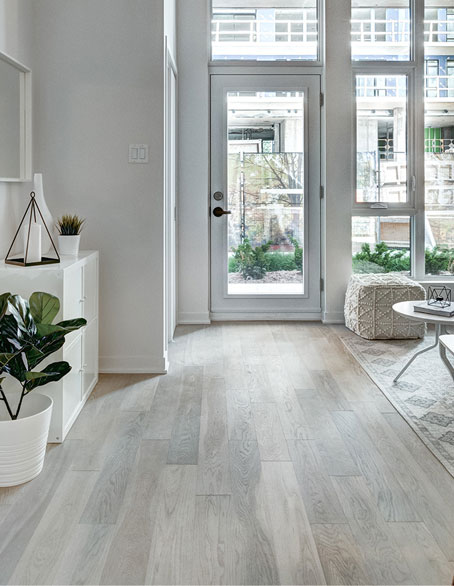
Atlanta's rental market moves fast, and the floors inside an investment property carry more weight than most landlords realize. Tenants come and go, furniture gets dragged across rooms, pets leave their marks, and what looked beautiful on move-in day can fade into something tired by the next lease. Choosing a flooring surface that holds up through all of that without draining your renovation budget is one of the smartest decisions a property owner can make.
That is exactly where laminate earns its place in the conversation. As longtime flooring experts at Great American Floors, we have helped investors and landlords across Sandy Springs, Buckhead, Brookhaven, East Cobb, Dunwoody, Roswell, Alpharetta, and Atlanta find surfaces that look great, perform under pressure, and stay friendly to the bottom line. For rentals and flip homes, laminate flooring often hits the sweet spot between durability, style, and turnover-ready practicality.
Why laminate makes sense for rental homes
Laminate has come a long way from the glossy, hollow-sounding planks of two decades ago. Today's products feature realistic wood and stone visuals, textured surfaces that mimic real grain, and wear layers built to withstand years of foot traffic. For a rental, that translates into floors that photograph beautifully for listings and still look respectable lease after lease.
There is also the matter of repair and replacement. Laminate planks lock together as a floating floor, which means a damaged section can often be swapped out without redoing the entire room. For property managers juggling multiple units, that flexibility saves both time and money between tenants.
The numbers that matter for investors
When you compare flooring options purely on the math, laminate tends to win on quick math and long-term returns alike. Here are the points investors should weigh before signing off on a flooring choice:
- Wear rating matters. Look for an AC3 rated laminate at minimum, since it handles moderate to heavy residential foot traffic without showing premature wear.
- Plank thickness affects feel and longevity. Aim for 8mm to 12mm planks for a more solid, hardwood-like underfoot experience.
- Water-resistant or waterproof options are worth the upgrade in kitchens, bathrooms, and laundry areas where tenant spills are inevitable.
- Neutral tones perform best across renter demographics. Mid-tone oaks and soft greys appeal to the widest pool of applicants.
- Underlayment quality influences sound transmission, which matters in multi-unit buildings and townhomes.
Picking the right product for your property type
Not every rental needs the same surface. A single-family home in East Cobb has different demands than a high-turnover student rental near a college campus, and matching the laminate to the property is where many landlords either save thousands or lose them. Browsing a wide flooring catalog gives investors the chance to compare wear layers, finishes, and price points side by side before committing.
For luxury rentals in Buckhead or Dunwoody, premium laminate with embossed-in-register textures can imitate hardwood convincingly enough to support higher rents. For more budget-conscious investments, a solid mid-tier laminate still delivers years of reliable service. The right product is always the one that balances the property's rental value against expected wear.
Installation details that protect your investment
A great laminate floor poorly installed will fail faster than an average laminate installed correctly. One of the most common mistakes we see in rental properties is skipping or shortchanging expansion gaps, which leads to buckling, lifting, and unhappy tenants calling about uneven floors.
Acclimation also gets overlooked when contractors rush to flip a property. Laminate needs time to adjust to the home's temperature and humidity before installation, especially in Atlanta's humid summer months. Cutting corners here almost guarantees callback repairs during the first lease.
Best practices to remember before you buy
A few habits separate the rental properties that need new floors every five years from the ones that go fifteen between replacements. Keep these in mind as you plan:
- Always request samples and view them in the actual property under natural light before ordering.
- Order roughly 10 percent extra material for cuts, mistakes, and future repairs from the same dye lot.
- Choose finishes with matte or low-sheen surfaces, which hide scratches and dust between cleanings.
- Document the installation date and product details for each unit so future repairs match seamlessly.
- Set tenant expectations in the lease about furniture pads, area rugs, and water cleanup to extend the floor's life.
Talk to our team about your next rental project
Picking the right laminate for an investment home is part product knowledge and part understanding how the property will actually be lived in. Our team would love to walk you through samples, talk through the wear ratings that fit your property type, and answer any questions about professional installation before you commit to a product. Stop by the showroom or schedule a free in-home estimate, and we will help you put together a flooring plan that protects your investment for years to come.


