

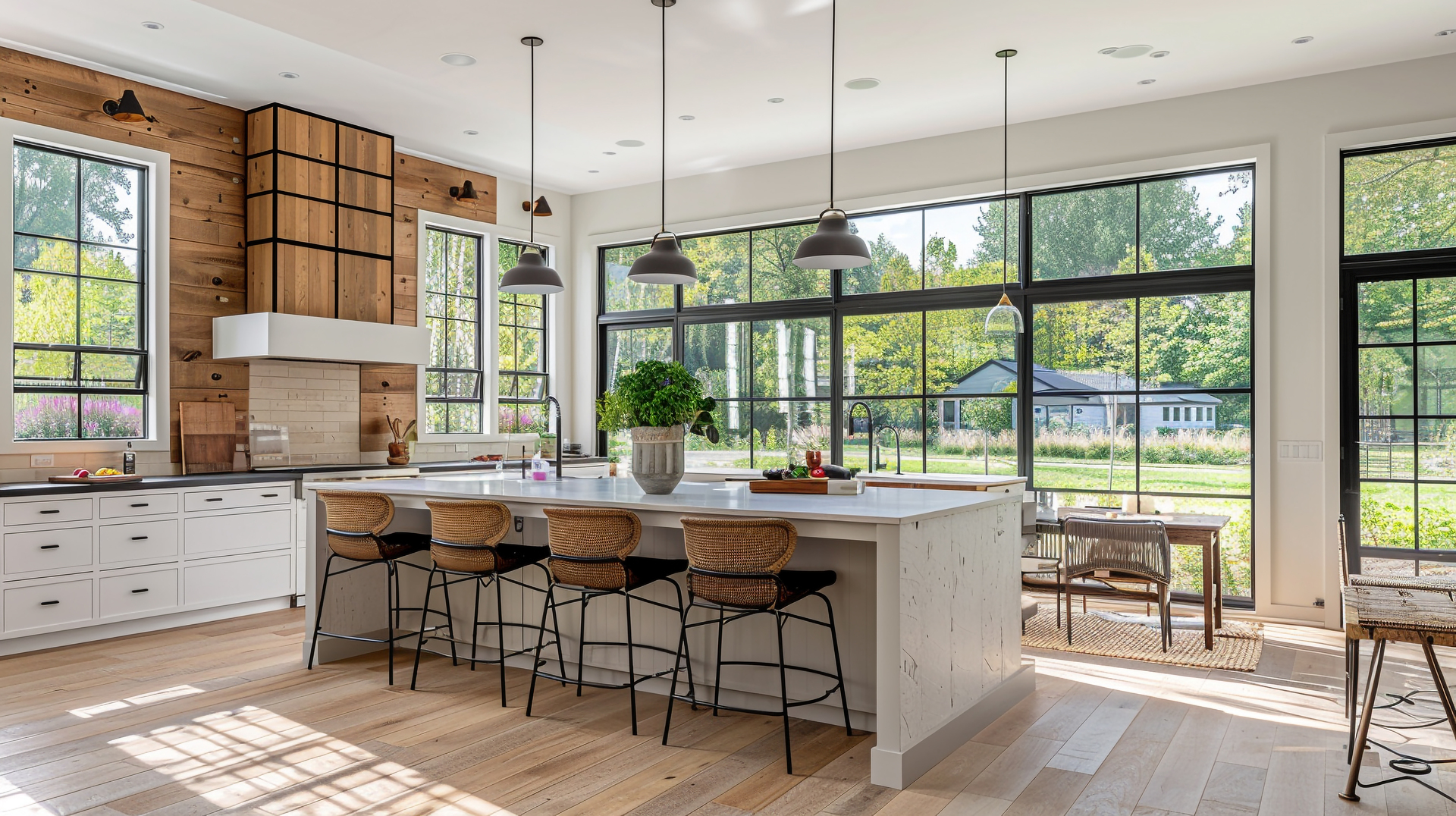
Hardwood floors in kitchens were once considered a design risk. Today, they are one of the most requested upgrades in open-concept homes across Sandy Springs and North Atlanta. With kitchens serving as gathering spaces rather than just cooking zones, homeowners are increasingly drawn to the warmth, continuity, and character hardwood brings to the heart of the home. Still, this decision comes with both advantages and trade-offs that deserve careful consideration before installation begins.
How kitchens challenge traditional flooring choices
Kitchens experience a very different type of daily wear compared to living rooms or bedrooms. Foot traffic is constant, chairs move often, and spills happen without warning. Temperature shifts, humidity, and moisture from sinks, dishwashers, and refrigerators all place added stress on flooring materials. Hardwood can perform well in kitchens, but success depends on understanding these conditions and planning accordingly.
The visual continuity hardwood brings to open floor plans
One of the strongest arguments for hardwood in kitchens is visual flow. In homes with open layouts, carrying the same hardwood flooring from living spaces into the kitchen creates a seamless, high-end look. The space feels larger, more cohesive, and less visually fragmented than when tile or stone abruptly breaks the design. This continuity is especially appealing in Sandy Springs homes where kitchens often open directly into family rooms or dining areas.
Comfort underfoot during long kitchen days
Hardwood offers a softer, warmer feel underfoot compared to tile or stone. For anyone who spends extended time cooking or entertaining, this comfort matters. Hardwood is also quieter, reducing echo and clatter when dishes or utensils are handled. Over time, this subtle comfort becomes one of the most appreciated benefits.
Repairability and long-term value
Unlike many kitchen flooring options, hardwood can be refinished rather than replaced. Scratches, wear paths, and surface dullness can often be addressed through professional sanding and refinishing, restoring the floor’s original beauty. This makes hardwood a long-term investment rather than a disposable surface. Properly maintained hardwood floors can last for decades, adding resale value and timeless appeal to the home.
Moisture sensitivity homeowners must plan for
Water is hardwood’s biggest enemy in the kitchen. Spills left unattended, leaks from appliances, or repeated moisture exposure can cause warping, cupping, or staining. While modern finishes offer better protection than in the past, hardwood is still not waterproof. Homeowners need to be realistic about daily habits and willing to wipe up spills promptly to avoid long-term damage.
How wood species and construction impact performance
Not all hardwood performs the same in kitchens. Harder species like oak, maple, and hickory hold up better against dents and wear. Engineered hardwood, with its layered construction, often handles humidity changes more effectively than solid wood, making it a popular kitchen choice in North Atlanta’s climate. Wider planks may look stunning but can be more prone to movement, while medium-width boards tend to offer better stability.
Finish choices that make a difference
The finish plays a major role in how forgiving hardwood will be in a kitchen setting. Matte and satin finishes hide scratches and dust better than high-gloss options. Wire-brushed or hand-scraped textures also help disguise everyday wear. Factory-finished hardwood often provides stronger surface protection, while site-finished floors allow for custom stain matching but require expert installation and curing time.
Ongoing maintenance expectations
Hardwood kitchen floors require a thoughtful maintenance routine. Regular sweeping removes grit that can scratch the surface. Damp mopping must be done carefully, avoiding excess water. Area rugs near sinks and cooking zones help protect high-risk areas, though homeowners should ensure rugs are breathable and non-slip. While maintenance is not excessive, it is more involved than with waterproof alternatives.
Situations where hardwood may not be the best fit
Households with very young children, heavy pets, or frequent cooking spills may find hardwood more stressful to maintain. In these cases, luxury vinyl or tile that mimics wood can offer similar visuals with greater moisture resistance. Hardwood works best when homeowners value aesthetics and longevity and are comfortable taking preventive measures to protect the floor.
Weighing design priorities against daily reality
Choosing hardwood for the kitchen is ultimately a balance between style and practicality. For many Sandy Springs homeowners, the warmth, continuity, and long-term value outweigh the added care requirements. With proper product selection, professional installation, and realistic expectations, hardwood can perform beautifully in kitchens for many years.
See hardwood kitchen options in person with our flooring experts
Great American Floors is a family-owned flooring company proudly serving Sandy Springs and North Atlanta since 1992. From solid and engineered hardwood to professional installation and refinishing using advanced Bona® systems, our flooring experts help match the right wood, finish, and layout to real-world kitchen use. Visit our showroom or schedule a consultation to explore hardwood flooring options designed for everyday living.


